Summary
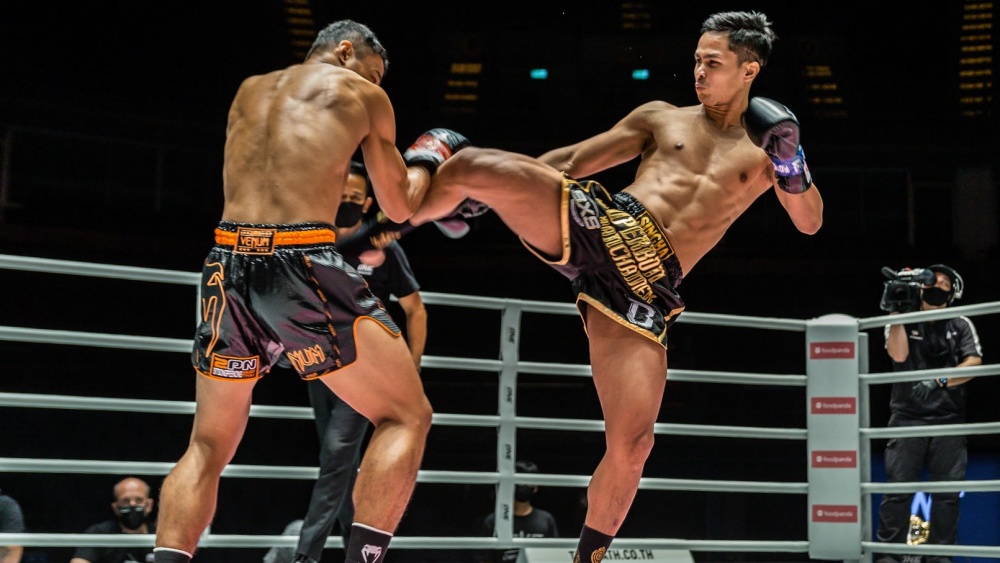
Learning combinations is one of the most important steps in developing effective striking in Muay Thai and kickboxing. A single well-placed strike can score, but a well-constructed combination, one that attacks multiple levels, creates defensive reactions, and chains weapons together in a logical sequence, is what puts opponents under real pressure and creates genuine finishing opportunities. This article covers 25 fundamental kickboxing combinations that every striker should know, ranging from simple two-strike entries like the jab-cross to multi-weapon sequences that blend punches, kicks, knees, and elbows into a single fluid chain. Each combination is built around a specific tactical principle, drawing the guard high to expose the body, creating rhythm before breaking it, or using one weapon to set up a more powerful one, so that you understand not just the sequence but the reasoning that makes it work. As Muay Thai World Champion and Evolve MMA instructor Chaowalit Jocky Gym puts it, “A combination is not just a list of strikes — it is a conversation with your opponent. The first strike asks a question. The second exploits the answer. The best fighters know exactly what answer they want, and they throw the first strike to get it.” Whether you are training for competition or building a well-rounded striking game, these 25 combinations give you a complete foundation to work from.
Key Takeaways
- Combinations work by forcing opponents to defend multiple threats simultaneously. A strike aimed at the head draws the guard upward, exposing the body. A strike to the body drops the guard, exposing the head. Every combination in this article is built on this principle: the first strike creates the opening that the final strike exploits.
- Mixing punches, kicks, and knees at different levels is what makes kickboxing combinations uniquely difficult to defend. Unlike boxing, where all strikes arrive from the upper body, kickboxing forces opponents to manage threats from the head down to the calf, a defensive challenge that even experienced fighters struggle to solve when the combination is varied and well-timed.
- Mastering basic combinations is not a phase you graduate from; it is a foundation you build on indefinitely. The jab-cross, the jab-cross-hook, and the double jab to low kick appear at the highest levels of competition because they work. Depth of execution in simple combinations beats breadth of knowledge in complex ones.
- Feints and fake strikes multiply the effectiveness of every combination without adding complexity. Several combinations in this article use a fake jab or a feinted kick to draw a defensive reaction before the real strike arrives. A convincing feint effectively doubles the number of combinations available to you, because the opponent’s reaction to the fake creates an opening that did not exist a moment before.
- Balance and stance recovery connect every strike in a combination. A clean jab means nothing if your foot placement after it leaves you off-balance for the cross. A powerful roundhouse kick means nothing if your recovery is slow enough for the opponent to counter before you reset. Every combination in this article depends on the transitions between strikes being as well-drilled as the strikes themselves.
- Consistent repetition through pad work, shadowboxing, and bag drilling is the only path to combinations that work under pressure. Understanding a combination intellectually is the starting point, not the destination. The goal is to drill each sequence until the pattern is automatic — so that in sparring, your body executes the combination while your mind reads the fight.
1) Jab, Cross
The jab cross is one of the bread-and-butter combinations used in kickboxing and jumping. It involves using two of your safest and farthest-reaching weapons, yet it’s more than enough to bring any fight to an end.
Master this combination because it’s effective at all levels of kickboxing. The jab mainly serves as a distraction that tempts your opponent, while the cross should land with lots of power.
2) Jab, Cross, Lead Hook
The cross at the end of the jab-cross combination should snap your opponent’s head back, leaving them wide open for a lead hook, even if they successfully block the cross. Blocking a cross requires your opponent to bring their guard toward the front of their face, leaving the side of their head open for the lead hook. The lead hook covers more distance than your rear hook, so it’s often added to combinations that involve a jab or cross.
3) Jab, Cross, Teep, Roundhouse Kick
Here’s another effective combination you can throw from outside range. It also starts with a jab-cross combination, but you follow it up with a push kick down the middle this time. Ideally, you want to weave the push kick through your opponent’s guard like throwing an uppercut. The kick extends the combination and allows you to maintain range. Finally, you can throw a roundhouse kick to your opponent’s body.
4) Jab, Cross, Uppercut, Low Kick
A low kick is another effective way to finish a jab, cross, uppercut combination. The punches thrown at your opponent’s head make them think high, opening them up for a low kick. You can aim at your opponent’s thigh or calf. Calf kicks have become much more popular in recent years thanks to their effectiveness at the highest levels of combat sports. It only takes one or two calf kicks to considerably diminish an opponent’s ability to move or stay balanced.
5) Jab, Cross, Hook, Uppercut
There are other ways to build a combination off a jab. The jab-cross-hook-uppercut is basic yet effective, particularly against aggressive opponents looking to close the distance on you.
The jab gets your opponent to lift their hands to the front of their face to defend against it, go for a cross to have them block the left side of the face where you can immediately throw a hook to their face. When you are attacking their upper body, it leaves them open for the sneaky uppercut that comes right after.
6) Jab, Cross, Liver Shot
This combination takes advantage of your opponent being primed to raise their guard to defend against the jab-cross. That’s when you bend at your knees and dip low before firing off a hard lead hook at their liver. The dip also puts you out of harm if your opponent tries to counter your first two punches.
The lead hook targets the liver because connecting there can lead to opponents being momentarily paralyzed and unable to continue fighting.
7) Jab, Jab, Cross
This combination starts with two fast jabs accompanied by a stiff cross. Double jabs are an effective way to disrupt your opponent’s rhythm and set them up for crosses. You can set this combination up by throwing a few triple jabs before going for it.
8) Jab, Cross, Lead Hook, Cross
Here’s a hard-hitting combination that can bring a fight to an end in an instance when it lands. Firstly, the jab helps to gauge the distance between you and your opponent. A cross packs a lot of power and gets opponents to bring their hands to the front of their faces to defend against it.
This opens them up for the lead hook, which gets them to move their hands to the side of their head, leaving them open for the final cross.
9) Double Jab, Cross To The Body, Right Knee
This combination will keep your opponent unbalanced and guessing as you pepper them with a jab, target their body with a cross, and finish off the combination with a right knee thrown with your rear leg. Each strike in the combo aims at a different body part to keep opponents confused.
10) Jab, Cross, Lead Hook, Right Kick, Uppercut
This combination sets your opponent up to eat a basic jab-cross combination and a lead hard hook. Your opponent will think that you are aiming for their head, leaving their body open for a powerful roundhouse kick. Utilize the momentum of returning the kick for a knockout uppercut.
11) Cross, Spinning Back Fist
A spinning back fist is another option to consider whenever you throw a jab-cross combination or just a hard cross. A spinning back fist is an excellent way to catch an opponent off-guard, especially if you only use the technique sparingly. It lands with lots of power because of the extra power you can generate by spinning, which often brings a fight to an end when it lands flush.
12) Double Jab, Low Kick
A jab-low kick is an effective way to mix up your target while scoring points. The first jab is mostly a distraction to keep your opponent occupied, the second jab is thrown to knock your opponent’s head back while the low kick is thrown with mean intentions. A few good low kicks are more than enough to restrict your opponent’s mobility.
13) Jab, Roundhouse Kick
Here’s another simple but effective combination you should add to your arsenal. It becomes even more effective when you set your opponent up by throwing a few jab-low kick combinations to get them thinking low while you aim for their head with your rear leg.
14) Jab, Cross, Hook, Knee
This combination can be used to enter clinch positions. It starts with a jab-cross and, afterwards, throw a lead hook, before striking your opponent’s abdomen with your knee. Knee strikes are one of the most powerful strikes kickboxers have, so end some of your combinations with them.
15) Double Jab, Switch Kick
A double jab is an effective way to set up a switch kick to the liver. The first jab is to get the recipient to think high and the second jab targets the opponent’s body while you fire a liver kick at their liver. You can also finish this combination with a roundhouse to the head thrown with your lead leg, but switching stances makes the kick a lot more powerful, increasing your odds of scoring a knockout.
16) Cross, Hook, High Kick
Here’s a hard-hitting combination guaranteed to leave any opponent on the canvas if it lands flush.
Start by throwing a cross and land a hook to the head. Follow up immediately with a high kick with lots of power from your rear leg.
17) Jab, Cross, Elbow
Some kickboxing styles, like Muay Thai, allow elbows, so add this combination to your arsenal if your sport’s ruleset permits elbow strikes. It’s a powerful combination that works great even if you miss the cross.
One way to throw this combination is to fire off your jab-cross, followed by a lead elbow, but you can also throw the elbow with your rear hand. That option often works best when your opponent slips the cross. You can elbow the side of their head as you bring your hand back to your guard.
18) Inside Leg Kick, Lead Hook, Cross
Here’s a simple way to set up a powerful cross thrown at your opponent’s head. The inside leg kick is thrown with your lead leg, aiming at the meaty part of their thigh or calf. You then throw a left hook as you bring your lead leg back and finally, with a hard cross.
19) Jab, Jab, Cross, Low Kick
Here’s a way to mix up your double jab combinations, adding a cross with a low kick. It’s a straightforward combo, yet it’s an effective way to set up a hard, low kick since the jabs and cross prime your opponent to expect a high attack when you go low.
20) Fake Jab, Lead Hook, Low Kick
This combination combines punches with kicks to create holes in your opponent’s defense you can exploit. Start with a fake jab so that your opponent covers up their head, then followed by a quick lead hook. The lead hook might catch your opponent by surprise since they need to bring their guard to the front of their face to block it. The hook should slip around their guard, while the low kick connects before they can figure out what’s happening.
21) Jab, Cross, Lead Uppercut, Knee
This combination works by getting your opponent to bring their hand toward the front of their face to defend against your range weapons before stepping in and throwing a lead uppercut that goes right between their guard and finds their chin. Finish off the combination with a right knee to their body.
22) Jab, Switch Kick To Body, Cross, Lead Hook, Low Kick
This combination mixes up targets well. First, you attack the head with a jab, which gets your opponent to move their hands toward their head, and then you follow up with a switch kick to the body with a cross right down the middle of their head. You then follow up with a lead hook and lastly, with a powerful right low kick to their thigh.
23) Switch Kick, Spinning Back Fist
This combination involves throwing a switch-round kick to your opponent’s body. As you fake another switch kick, you will prepare to enter a spin, and with that spin, deliver the spinning back fist to your opponent.
24) Roundhouse Kick, Teep
Here’s a simple way to combine a powerful roundhouse kick and a teep. Firstly, close the distance with the roundhouse kick, and with the momentum when you return your leg from the kick, execute the push kick to your opponent’s abdomen immediately.
25) Jab, Cross, Lead Hook To Body, High Kick
We’ll close out our list with another powerful combo that can bring a kickboxing match to an abrupt end when it lands. Start with a hard jab-cross, followed by a lead hook to the body since both punches go so well together, and finish with a roundhouse to the head. You can also finish this combo with a question mark kick if you’re comfortable with the technique.
Frequently Asked Questions About Kickboxing And Muay Thai Combinations
Q: Why Are Combinations Important In Muay Thai And Kickboxing?
A: Combinations allow fighters to attack with multiple strikes instead of relying on a single technique, making it significantly harder for opponents to defend and creating more opportunities to land clean shots. A single strike telegraphed in isolation is far easier to read, slip, or counter than the third strike in a fast, well-constructed sequence. Beyond landing more strikes, combinations also serve a tactical function: they force opponents into reactive, defensive positions where their ability to mount their own offense is limited. The best fighters use combinations not just to score, but to control the entire pace and structure of a fight.
Q: How Can Beginners Practice Striking Combinations?
A: Shadowboxing, heavy bag training, and pad work with a coach or training partner are the three primary methods. Shadowboxing allows you to drill the movement patterns of each combination without resistance, focusing on transitions, balance, and speed. Heavy bag work adds physical feedback — you can feel whether your strikes are landing with power and whether your positioning after each strike is sound. Pad work with a coach introduces realistic timing and the ability to read a moving target. All three methods are necessary: shadowboxing builds the pattern, the bag builds the power, and pad work builds the timing.
Q: How Long Soes It Take To Become Comfortable With Muay Thai Combinations?
A: Simple two and three-strike combinations typically become functional in shadowboxing and bag work within the first few weeks of consistent training. Executing them smoothly in live sparring — against a resisting, unpredictable opponent — generally takes several months of regular practice. The longer, more complex sequences in this article, such as combinations 22 and 25, require considerably more time because they involve multiple weapon transitions and precise distance management throughout. The honest answer is that combination fluency is a long-term project: even experienced fighters continue to refine the timing and setup of basic combinations years into their training.
Q: How Do I Decide Which Combination To Throw In A Sparring Situation?
A: In live sparring, combination selection should be driven by what your opponent gives you, not by a predetermined plan you commit to regardless of what is in front of you. Each combination in this article is designed to exploit a specific opening: a raised guard invites body attacks, a dropped guard invites head strikes, forward pressure invites the teep, or a low kick. The more thoroughly you understand the logic behind each combination, the more quickly you will recognise the matching opening in real time and respond with the appropriate sequence. This pattern recognition develops through sparring experience and cannot be shortcut — it requires accumulated time against resisting opponents.
Q: What Is The Difference Between A Feint And A Fake Strike, And Why Do They Matter?
A: A feint is a subtle, partial movement, a slight weight shift, a shoulder rotation, a partial chamber of a kick, designed to elicit a defensive reaction without fully committing to the strike. A fake strike is a more complete imitation of a real technique, such as the fake jab in combination 20, thrown with enough conviction that the opponent reacts as if it were real. Both tools work by triggering the opponent’s defensive response — drawing the guard, causing a weight shift, or prompting a step back — that creates the opening for the real strike. Feints and fakes are what make simple combinations unpredictable: the same jab-cross-hook becomes a different weapon when the first jab is sometimes real and sometimes a feint.
Q: Can These Combinations Be Used Effectively In MMA As Well As Kickboxing?
A: Most of the combinations in this article translate directly to MMA with one significant adaptation: awareness of the takedown threat. In MMA, combinations that leave you leaning forward, off-balance, or with a poor base create opportunities for the opponent to shoot for a takedown, so stance recovery and positional awareness after each strike are even more critical than in pure striking contexts. The kick-heavy combinations are particularly useful in MMA because many opponents with wrestling backgrounds are less experienced at defending leg kicks and roundhouses than at defending punches. The core principles — draw the guard high, attack the body; establish rhythm, then break it, apply equally in MMA.
Q: How Should I Structure A Training Session Around Learning New Combinations?
A: Begin each session with shadowboxing focused on the combination you are currently drilling — slow and deliberate, prioritising clean transitions over speed. Move to the heavy bag to add resistance and develop power, working in timed rounds of two to three minutes. If a training partner is available, use pad work to develop timing against a moving target. Finally, test the combination in sparring — not by forcing it regardless of the situation, but by staying alert for the specific opening it is designed to exploit and applying it when that opening appears. Limit yourself to two or three combinations per session rather than trying to work through the entire list; depth of practice in a small number of sequences produces better results than shallow exposure to many.
Final Thoughts
Twenty-five combinations is a substantial arsenal, but the value of this list is not in knowing all of them. It is in choosing three or four that suit your range, your natural weapons, and the way you like to fight, and drilling them until they become reflexive. A fighter who can throw five combinations automatically, at the right moment, with clean technique, is more dangerous than a fighter who knows twenty-five but executes none of them well.
Work through this list gradually and honestly. When a combination falls apart in sparring, when the timing is off, the transition is slow, or the final strike misses, treat that as instruction, not failure. It tells you exactly what to work on next. Return to the drill, slow it down, find the breakdown, and fix it.
You may also like:
16 Basic Muay Thai Combinations You Should Master First
PakarPBN
A Private Blog Network (PBN) is a collection of websites that are controlled by a single individual or organization and used primarily to build backlinks to a “money site” in order to influence its ranking in search engines such as Google. The core idea behind a PBN is based on the importance of backlinks in Google’s ranking algorithm. Since Google views backlinks as signals of authority and trust, some website owners attempt to artificially create these signals through a controlled network of sites.
In a typical PBN setup, the owner acquires expired or aged domains that already have existing authority, backlinks, and history. These domains are rebuilt with new content and hosted separately, often using different IP addresses, hosting providers, themes, and ownership details to make them appear unrelated. Within the content published on these sites, links are strategically placed that point to the main website the owner wants to rank higher. By doing this, the owner attempts to pass link equity (also known as “link juice”) from the PBN sites to the target website.
The purpose of a PBN is to give the impression that the target website is naturally earning links from multiple independent sources. If done effectively, this can temporarily improve keyword rankings, increase organic visibility, and drive more traffic from search results.